BY ALIYA BASHIR
JHAJJAR, India — It is a foggy morning on the outskirts of Jhajjar in the north Indian state of Haryana, where a spirited team of young footballers (also known as soccer players) in red and black jerseys file onto a field to widespread applause. The players are excited yet nervous. Against the odds, they finally have the opportunity to play before a large crowd in their own community.
Twenty-two-year-old Hina leads on the pitch. When she first began practicing drills more than seven years ago, she and her teammates were the target of lewd remarks and stares from on looking men.
That’s when these footballers made an unlikely choice: Almost all of the girls on this team decided to disguise themselves as boys. Flying against cultural norms, Hina — who does not use a surname — and the other players wore shorts and loose shirts and kept their hairstyles trimmed short like the boys around them.
It was a seemingly small change. At first, it allowed them to practice football drills in peace. Now it could help to shape the future of this Indian state.
Breakthrough
Haryana is not an easy place to be a girl. It is notorious for early marriages, domestic violence and limited opportunities for girls’ education. This state also has one of the lowest sex ratios in India: 879 girls for 1,000 boys at birth as of 2011, according to the most recent government census data. This lopsided ratio is caused by a range of factors, such as sex-selective abortion and the neglect of female children, resulting from a widespread cultural preference for sons.
Against this grim backdrop, the success of these young footballers is all the more remarkable.
Hina started racking up district and state-level tournament wins in 2017 — and gives credit for her transformation to Breakthrough, an NGO that uses soccer to inspire girls and empower them in their social development.
Breakthrough debuted a local gender-equity program in Haryana’s Jhajjar district in 2018, with the goal of changing social norms.
“Initially, we had to fight a lot of resistance from the villagers. They would think that we are misleading their girls,” says Meena Rani, a local manager for Breakthrough.
“We have organized workshops with the girls on safe spaces, sexual consent, early marriages and pregnancy, so that they could learn about self-awareness and develop skills to facilitate action around gender and rights in their lives,” Rani explains.
In collaboration with Breakthrough, a local school also now teaches a curriculum — using relevant local examples — intended to help students negotiate for their rights.
“Both the boys and girls share their experiences on various gender-sensitive issues like harassment they face on roads, catcalling, gender discrimination,” says Raj Kumar, a local secondary school official.
According to several players on Hina’s football team, the training provided by Breakthrough helped them see that they can push back against the gender discrimination and violence around them. Many began to feel that they were escaping the pressures from their families and communities. They turned their focus to soccer — and have been surprised by some of the positive recognition that has come their way.
‘We Have Decided Not to Back Down’
“Come on girls, come on, come on, let’s get a goal,” screams 22-year-old team captain Shivani Ranga. She says that her life changed when she first kicked a ball, an experience that came after she saw a local boys team doing pitch training on the grounds of a government school.

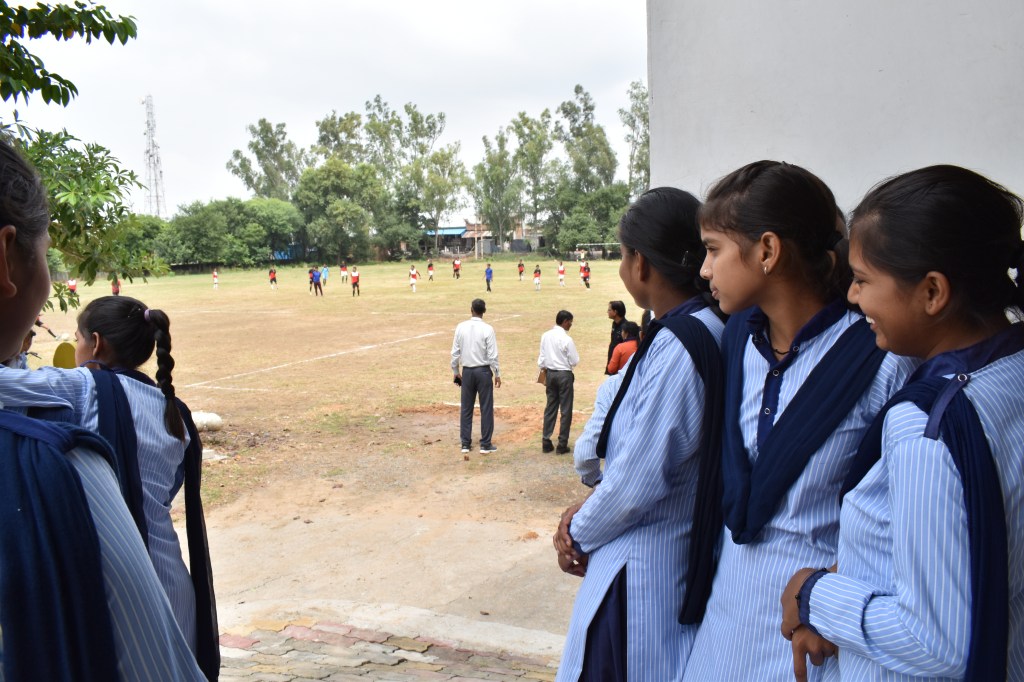
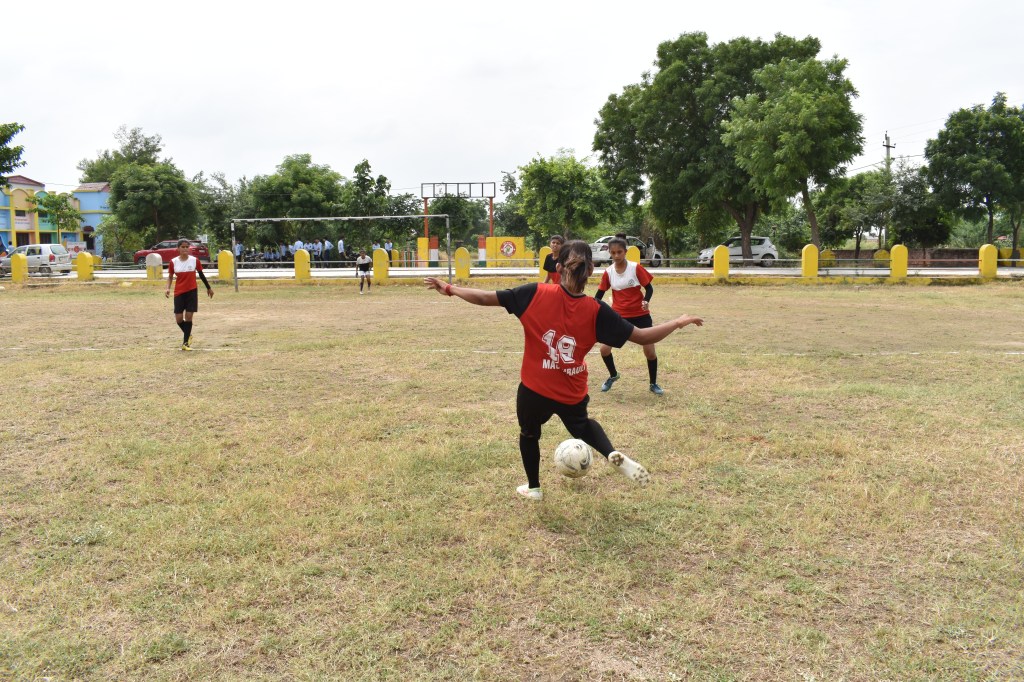
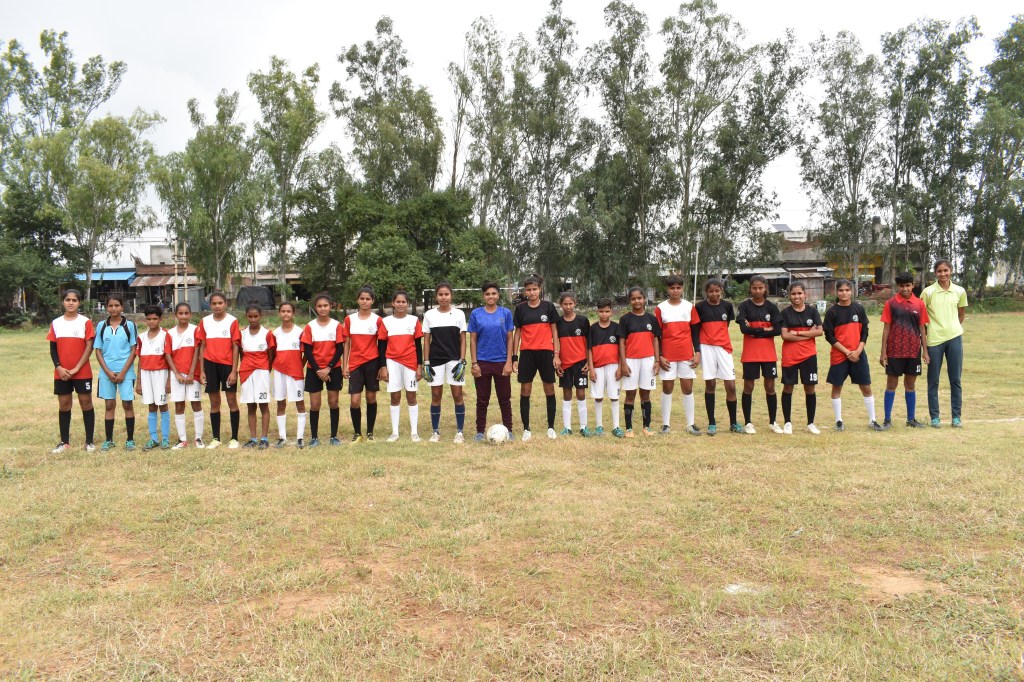
“It was the best feeling ever,” Ranga says, and bursts out laughing. Her teammates appreciate her light spirit, which helps keep their games lively. As captain, she is also someone the other players can come to with their challenges.
Ranga says that, when she started playing, she had no role models. Instead she has become a role model for other girls in her community, helping them shift their focus from getting married. Due to her skill at the game, she has also caught the attention of a coach and a fellow player who has competed nationally.
A younger teammate, Riya, 16, first became interested in soccer thanks to Breakthrough. She now keeps a poster collection of Portuguese megastar Cristiano Ronaldo — and dreams of playing like him.
“Through the game, I am able to convince my parents that I want to study further and become financially independent, rather than ending up as a housewife,” Riya says.
Star player Hina notes that she and her teammates come from families where investing in boys over girls has been the priority. But she adds that, “Things have started changing slowly, and together as a team we have decided not to back down.”
Originally published in Ozy

 Aliya Bashir
Leave a comment